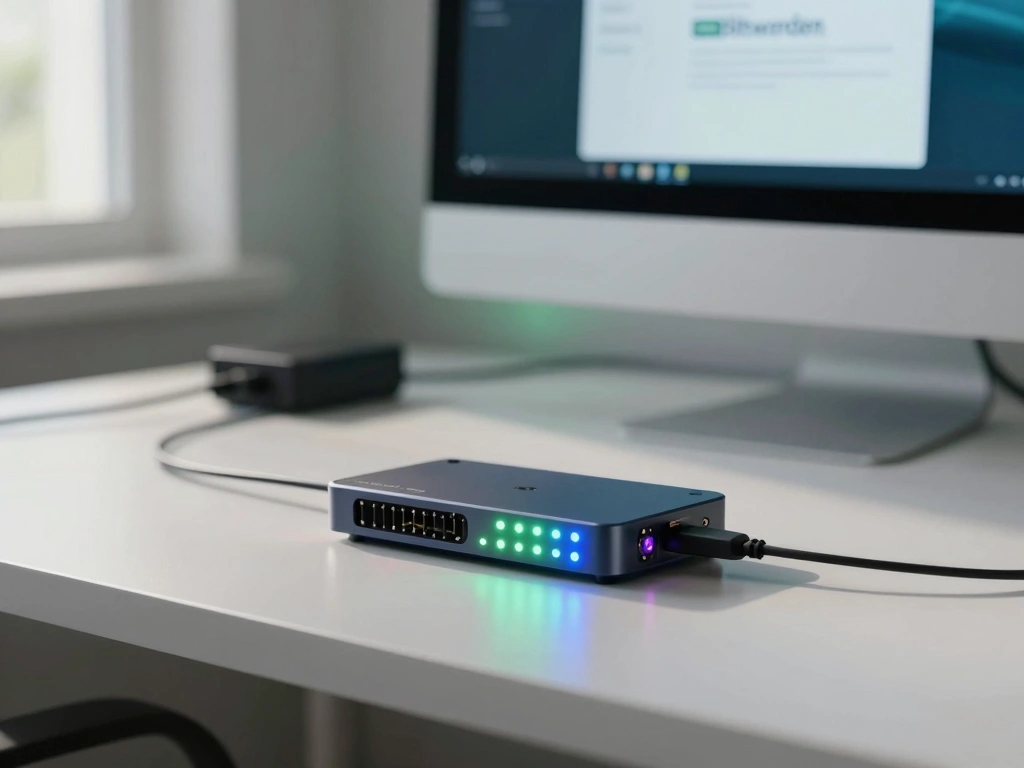
Understanding the Basics of IPTV
IPTV, or Internet Protocol Television, is a revolutionary technology that has transformed the way we consume media. Unlike traditional television broadcasts, which rely on satellite or cable systems, IPTV delivers content via the internet. This method of streaming offers flexibility, enabling viewers to access their favorite shows, movies, and live events on various devices, including smart TVs, tablets, and smartphones. With the continuous advancement in technology, especially in 2026, IPTV services are becoming more refined and accessible to the average consumer. When exploring options, test iptv services provide comprehensive insights into performance and compatibility, ensuring a seamless viewing experience.
What is IPTV and How Does It Work?
IPTV stands for Internet Protocol Television, a system that allows you to stream television programs and movies through the internet rather than through traditional cable or satellite broadcasts. IPTV sends television signals as data in packets over the internet, allowing for greater flexibility in viewing. This means that viewers can watch content on-demand or receive programming in real time. The functionality of IPTV largely depends on a stable high-speed internet connection, which supports the data transmission required for smooth streaming.
Key Benefits of Using IPTV
- Flexibility: Users can watch their favorite shows and movies anytime and anywhere, provided they have an internet connection.
- Vast Content Library: IPTV offers a wide range of channels and content, including international programming and niche offerings not available on traditional TV.
- Enhanced Features: Many IPTV providers offer additional features such as catch-up TV, cloud DVR, and video on demand (VOD), enriching the viewing experience.
Common IPTV Terminology Explained
Understanding some common terms associated with IPTV can help users make informed decisions:
- M3U: A file format that contains a list of streams, allowing users to access multiple channels through one playlist.
- OTT (Over-the-Top): Refers to content delivered over the internet without needing traditional distribution methods.
- VOD (Video on Demand): A service that allows users to select and watch video content whenever they choose, rather than at a scheduled broadcast time.
How to Test IPTV Effectively
Testing IPTV services is essential before committing to a subscription. A thorough evaluation helps in understanding the service's performance and compatibility with your devices. By utilizing tools tailored for testing IPTV streams, users can measure various factors impacting their viewing experience.
Step-by-Step Guide to Running a Test IPTV
- Select a Test Service: Choose a reliable IPTV testing service that offers a short-term trial, often for 24 hours or a week.
- Install Necessary Apps: Depending on your device, download any necessary applications for accessing the test streams.
- Input your IPTV URL or M3U File: Enter the required URL or upload the M3U file into the IPTV player to access the channels.
- Evaluate Performance: Monitor the connection for buffering, stream quality, and channel availability during your testing period.
Evaluating Quality: What Metrics to Monitor
When testing IPTV services, keep an eye on the following metrics to assess quality:
- Buffering Time: The time it takes for a channel to start after selection. Ideally, it should be minimal.
- Streaming Quality: Check the clarity of video, with HD or 4K being the benchmark for optimal quality.
- Stability: Ensure the streams remain stable throughout the testing period without unexpected disconnections.
Common Problems and Troubleshooting Tips
During your IPTV testing, you may encounter issues. Here are some common problems and their solutions:
- Buffering Issues: Check your internet speed. Aim for at least 25 Mbps for HD streaming.
- Channel Not Found: Ensure your playlist is correctly formatted and includes active channels.
- Frequent Disconnections: Contact your ISP or switch to wired internet if using Wi-Fi to improve stability.
Choosing the Right IPTV Subscription Plans
With numerous IPTV providers in the market, selecting the best subscription plan can be overwhelming. It is crucial to compare different offerings to find the right fit for your viewing habits.
Comparing Pricing Models for IPTV Services
IPTV subscription plans generally vary in terms of pricing, package features, and channel offerings. Here are some common pricing models:
- Monthly Plans: Ideal for casual viewers, these plans allow flexibility without long-term commitments.
- Quarterly and Annual Plans: Often come at a discounted rate compared to monthly subscriptions, catering to regular users.
- Pay-Per-View: Allows users to pay for only the events or content they wish to watch, perfect for sports fans.
How to Find the Best Content for Your Needs
When choosing an IPTV service, consider the types of content you value most, such as local channels, international programming, sports, or movies. Reviewing channel line-ups and conducting tests can identify the service that best matches your viewing preferences.
Understanding Compatibility with Devices
Ensure that your chosen IPTV service is compatible with your devices. Most services support a range of platforms, including:
- Smart TVs
- Android TV Boxes
- Amazon Fire Stick
- Mobile devices (iOS and Android)
Future Trends in IPTV for 2026 and Beyond
The IPTV landscape is continually evolving. As technology advances, here are some anticipated trends that could shape the future of IPTV services:
Emerging Technologies Impacting IPTV
In 2026, expect technologies like Artificial Intelligence (AI) and machine learning to optimize content delivery, enabling personalized viewing experiences. AI can analyze viewer habits and recommend shows or channels based on preferences.
Predictions for IPTV Content and User Engagement
As user demand for interactive and immersive content grows, IPTV services may integrate augmented reality (AR) and virtual reality (VR) experiences, especially for live sports. This trend may significantly enhance user engagement by providing interactive elements during broadcasts.
How 5G Will Revolutionize IPTV Streaming
The advent of 5G technology is set to revolutionize IPTV streaming by providing faster and more reliable connections. This increased bandwidth will facilitate seamless streaming of high-definition and 4K content on multiple devices simultaneously, reducing buffering and enhancing viewing experiences.
Frequently Asked Questions about IPTV
Is IPTV legal to use in my country?
The legality of IPTV services can vary by country. It is essential to research local laws and regulations regarding IPTV to ensure compliance.
What are the best devices for watching IPTV?
Users can enjoy IPTV on various devices, including smart TVs, Android boxes, computers, and mobile devices. The choice of device often depends on user preferences and existing technology.
Can I test IPTV before subscribing?
Yes, many IPTV providers offer free trials or short-term testing options (24 hours or 7 days) to help users evaluate their services before committing to a subscription.
How do I change my IPTV subscription plan?
Most IPTV services allow users to change their plans easily through their online portal or customer service. Check the provider’s guidelines for specific instructions.
What should I do if I experience buffering issues?
Buffering can often be mitigated by testing your internet speed and ensuring you meet the minimum requirements. Additionally, using a wired connection can stabilize your streaming quality.